
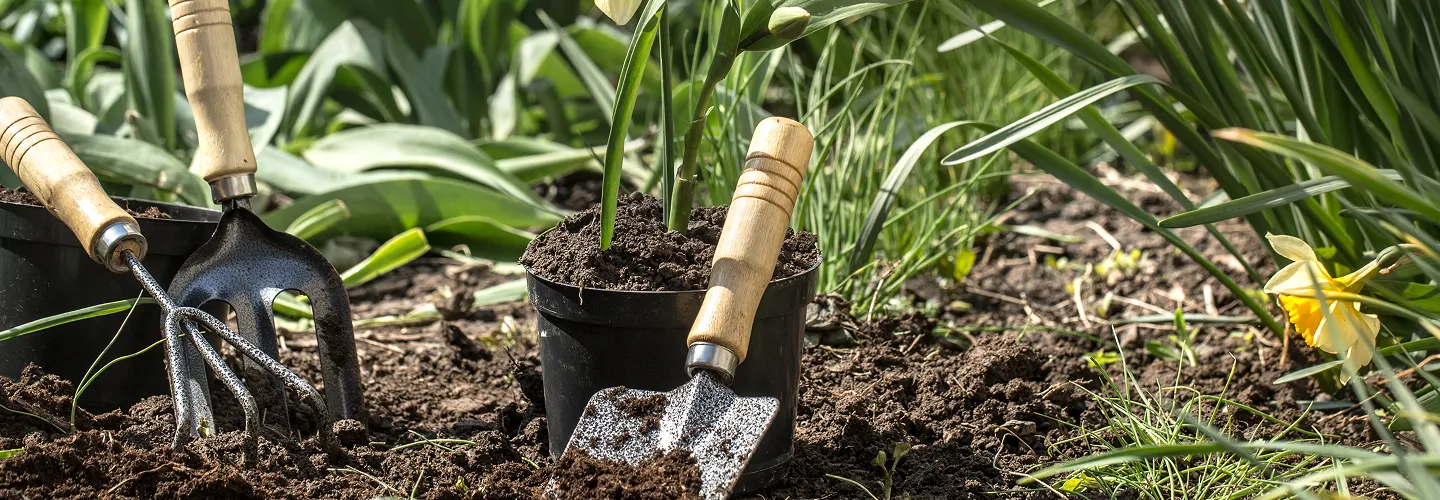
Wrightsville Green Waste Disposal Services
Choose our Green Waste Disposal for reliable, environmentally responsible removal that keeps your property clean and supports a healthier community.
Get a Free QuoteOur Wrightsville Landscaping & Yard Care Services
When to Schedule Green Waste Disposal in Wrightsville, Georgia – Seasonal Guide
In Wrightsville, Georgia, the best times for green waste disposal are closely tied to our unique climate and landscape. With mild winters and hot, humid summers, most residents find that late winter through early spring—just after the last frost date—offers an ideal window for clearing away yard debris, fallen branches, and leaves. This timing helps prepare your property for new growth and reduces the risk of pests or mold, especially in shaded areas like those near the Johnson County Courthouse or along West Elm Street.
Local environmental factors such as periodic droughts, heavy summer rainfall, and the clay-rich soils common in neighborhoods like Pine Ridge Estates all play a role in determining when to schedule disposal. For example, after a wet spring, excess moisture can accelerate decomposition but may also make access to certain yards more challenging. It's also important to stay informed about municipal guidelines and seasonal restrictions, which you can find on the official city website.
Local Factors to Consider for Green Waste Disposal in Wrightsville
- Tree density and types of vegetation on your property
- Terrain and ease of access for disposal vehicles
- Seasonal precipitation patterns and humidity levels
- Local frost dates and risk of late cold snaps
- Municipal restrictions or scheduled pickup dates
- Proximity to shaded areas or water features
- Soil type and drainage characteristics
Benefits of Green Waste Disposal in Wrightsville
Eco-Friendly Landscaping Solutions
Efficient Green Waste Removal
Promotes Healthy Lawns and Gardens
Reduces Landfill Waste
Supports Local Sustainability
Convenient Scheduling Options
Wrightsville Green Waste Disposal Types

Grass Clippings
-
Tree Branches
-
Shrub Trimmings
-
Leaves
-
Garden Debris
-
Wood Chips
-
Weeds
Our Green Waste Disposal Process
Collection of Green Waste
Sorting and Separation
Transport to Disposal Facility
Eco-Friendly Processing
Why Choose Wrightsville Landscape Services
-
Wrightsville Homeowners Trust Us
-
Expert Lawn Maintenance
-
Reliable Scheduling
-
Competitive Pricing
-
Professional Team
-
Satisfaction Guarantee
-
Personalized Service
Navigating Johnson County Public Works for Green Waste Disposal in Wrightsville
Wrightsville residents and property managers should coordinate green waste disposal through Johnson County Public Works, which oversees road maintenance, drainage infrastructure, and public right-of-way management throughout the county. Because Wrightsville is a smaller municipality within Johnson County, green waste handling—including yard trimmings, brush, leaves, and grass clippings—typically falls under county-level coordination rather than a standalone city program. Property owners should verify current pickup schedules, acceptable material types, and curbside placement requirements directly with the department before setting out debris. Key guidelines to confirm include:
- Bundling requirements: Limbs and branches often must be cut to lengths of four feet or shorter and tied in manageable bundles.
- Container standards: Loose leaves and grass clippings may need to be bagged in biodegradable or approved yard waste bags.
- Prohibited materials: Treated lumber, construction debris, and household trash must not be mixed with green waste.
- Right-of-way placement: Materials should be placed at the curb or roadside edge without blocking drainage ditches, sidewalks, or mailboxes.
Confirm current collection days and any seasonal schedule changes by contacting the department directly.
Johnson County Public Works
P.O. Box 326, Wrightsville, GA 31096
Phone: (478) 864-3484
Official Website: Johnson County Public Works
Seasonal Timing and Vegetation Volume in Wrightsville's Long Growing Season
Wrightsville sits in USDA Hardiness Zone 8b, where warm-season turf grasses such as bermudagrass, centipedegrass, and bahiagrass grow actively from late March through mid-November. This extended growing season produces substantial volumes of green waste, particularly during peak months from May through September when mowing frequency increases to weekly or biweekly intervals. Property owners should plan disposal logistics around these high-volume periods, as yard waste accumulation can overwhelm standard curbside capacity. Practical timing considerations include:
- Spring flush (March–May): Heavy leaf drop from deciduous hardwoods such as oaks and sweetgums coincides with rapid turf green-up, creating dual-source debris loads.
- Summer peak (June–August): Frequent mowing generates large volumes of grass clippings; composting on-site can reduce disposal demand.
- Fall leaf drop (October–December): Pecan, oak, and pine needle accumulation requires consistent raking and bagging.
- Storm events: Summer thunderstorms and occasional tropical weather systems can generate sudden surges of downed limbs and debris requiring prompt removal.
The UGA Cooperative Extension provides region-specific guidance on composting yard waste to reduce disposal volumes and return nutrients to Wrightsville's predominantly sandy loam and loamy sand soils, which benefit from added organic matter.
Protecting Wrightsville's Drainage Ditches and Waterways During Green Waste Removal
Wrightsville's topography within the Middle Georgia Coastal Plain features relatively flat terrain with sandy soils from the Tifton, Norfolk, and Orangeburg soil series that drain quickly but are susceptible to erosion when disturbed. The Ohoopee River and its tributaries flow through Johnson County, and local drainage ditches throughout Wrightsville connect to these waterways. Improper green waste disposal—such as dumping yard debris into roadside ditches, drainage swales, or near creek banks—can obstruct water flow, promote localized flooding, and degrade water quality. The Georgia EPD Watershed Protection Branch enforces state water quality standards that apply to all discharges affecting Georgia's waters, including sediment and organic debris from yard maintenance activities.
Residents and contractors should observe these environmental precautions:
- Never push or dump leaves, grass clippings, or brush into drainage ditches, culverts, or stream channels.
- Keep green waste piles at least 25 feet from any creek bank, pond edge, or wetland margin to prevent runoff contamination.
- Avoid staging large debris piles on bare soil during rain events, as decomposing organic matter can leach nutrients and lower dissolved oxygen in receiving waters.
- Use silt barriers or containment when removing large volumes of brush near drainage infrastructure.
These practices align with Georgia Water Quality Standards and help protect downstream water resources.
Storm Debris Protocols and Emergency Green Waste Handling in Wrightsville
Wrightsville's location in Middle Georgia exposes the community to severe thunderstorms, occasional tropical storm remnants, and ice events that can generate large volumes of downed trees, broken limbs, and scattered vegetative debris. After significant weather events, Johnson County may activate emergency debris removal operations coordinated through the Johnson County Board of Commissioners and Johnson County Public Works. Property owners should be aware of the following post-storm procedures:
- Separate green waste from other storm debris: Vegetative material must be kept separate from construction debris, roofing materials, appliances, and household waste for proper processing.
- Right-of-way staging: Place storm-generated brush and limbs along the road frontage in neat, parallel piles without blocking travel lanes, drainage structures, or utility access points.
- Hazard trees: Downed trees resting on power lines or structures require coordination with Georgia Power or the local utility provider before removal. Do not attempt to cut or move energized debris.
- Volume thresholds: Large-scale land clearing or tree removal resulting from storm damage may require coordination with the Johnson County Building Department to verify whether permits or site reviews apply.
The Georgia Forestry Commission can provide technical assistance for storm-damaged timber assessment and may offer guidance on salvage or disposal options for large woody debris on rural or semi-rural properties within the Wrightsville area.
Georgia Forestry Commission
P.O. Box 819, Macon, GA 31202
Phone: (478) 751-3500
Official Website: Georgia Forestry Commission
Composting and On-Site Green Waste Reduction for Wrightsville Properties
Given Wrightsville's sandy loam and loamy sand soils—characteristic of the Coastal Plain region—on-site composting offers a practical alternative to curbside disposal that simultaneously improves soil structure, water retention, and nutrient availability. The USDA Web Soil Survey identifies soils in the Wrightsville area as generally well-drained with low organic matter content and acidic pH levels typically ranging from 5.0 to 6.0. Composted yard waste directly addresses these deficiencies. Property owners considering on-site composting should follow these guidelines:
- Acceptable materials: Grass clippings, leaves, small twigs, pine needles, and non-diseased plant trimmings are suitable for backyard composting.
- Prohibited materials: Do not compost invasive plant species such as Chinese privet or kudzu, as seeds and root fragments may survive the composting process. The UGA Extension - Invasive Species program provides identification resources.
- Pile management: Maintain compost piles at least 10 feet from property lines and drainage structures. Turn piles every two to three weeks to accelerate decomposition in Wrightsville's warm, humid climate.
- Setback from wells: Keep compost bins or piles a minimum of 100 feet from any drinking water well to protect groundwater quality, consistent with Georgia Drinking Water Program standards.
Finished compost can be incorporated into garden beds, used as topdressing on lawns, or applied as mulch around trees and shrubs to improve the moisture-holding capacity of Wrightsville's naturally fast-draining soils.
What Neighborhoods Do We Serve Throughout Wrightsville, GA?
- Downtown Wrightsville / Court Street Area: The historic core features mature hardwood canopy including oaks and pecans that generate heavy seasonal leaf and limb debris. Older lots may have limited staging space for green waste, requiring careful curbside placement to avoid obstructing narrow streets and drainage infrastructure.
- South Wrightsville / GA Highway 57 Corridor: Properties along this corridor tend toward larger lots with mixed pine and hardwood stands. Green waste volumes can be significant during storm cleanup, and proximity to county drainage ditches requires careful debris staging to prevent blockages.
- North Wrightsville / US Highway 319 Area: Residential properties in this area feature open yards with bermudagrass and centipedegrass turf that produce consistent mowing debris from spring through fall. Sandy soils drain quickly, making on-site composting particularly beneficial.
- East Wrightsville / Kite Road Vicinity: Semi-rural lots with wooded edges generate substantial brush and limb debris, especially after summer thunderstorms. Access to some properties may require coordination for larger hauling equipment.
- West Wrightsville / Adrian Highway Area: Properties near the western approach feature a mix of residential and agricultural-transition lots where green waste may include fence-line brush, overgrown vegetation, and seasonal crop residue that must be separated from standard yard waste for proper disposal.