
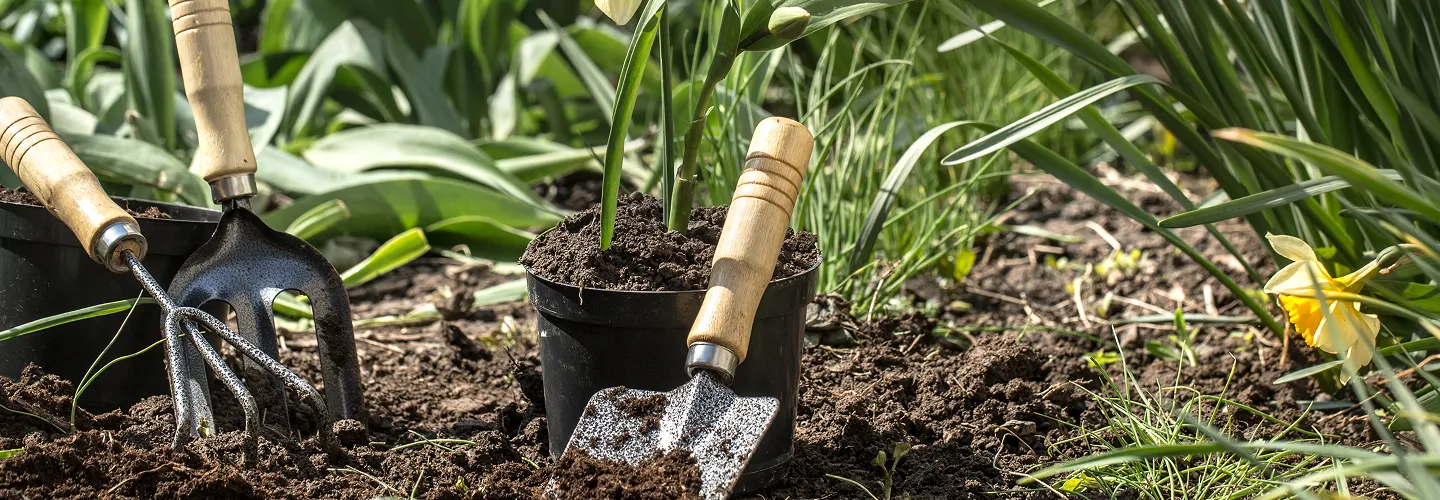
Wrightsville Lawn Renovation Services
Choose our Lawn Renovation services for a lush, healthy yard—our experienced team uses proven techniques and premium materials to restore your lawn’s beauty and resilience, ensuring long-lasting results you’ll love.
Get a Free QuoteOur Wrightsville Landscaping & Yard Care Services
When to Schedule Lawn Renovation in Wrightsville, Georgia – Seasonal Guide
In Wrightsville, Georgia, timing your lawn renovation is crucial for achieving a lush, healthy yard that thrives year-round. The best periods for renovation typically fall in early spring and early fall, when soil temperatures are moderate and rainfall is more predictable. Wrightsville’s climate features hot, humid summers and mild winters, so planning around the last frost date—usually in late March—and the onset of summer heat is essential. Neighborhoods near the Johnson County Courthouse or along West College Street often experience varying shade coverage and soil types, which can influence the ideal renovation window.
Local environmental factors such as the risk of late spring droughts, high humidity, and the prevalence of clay-heavy soils play a significant role in determining the best time for lawn work. Areas with dense tree canopies, like those near the Wrightsville City Park, may require special attention to shade and moisture retention. For more information on local climate patterns and municipal guidelines, consult resources like the Sudbury town website.
Local Factors to Consider for Lawn Renovation in Wrightsville
- Tree density and shade coverage, especially in established neighborhoods
- Soil composition (clay, sand, or loam) and drainage capacity
- Average precipitation and risk of drought during renovation periods
- Terrain slope and potential for water runoff
- Local municipal restrictions or watering schedules
- Proximity to landmarks such as Wrightsville City Park or Johnson County Courthouse
Benefits of Lawn Renovation in Wrightsville
Enhanced Curb Appeal
Improved Soil Health
Weed and Pest Reduction
Thicker, Greener Lawns
Increased Property Value
Customized Landscaping Solutions

Wrightsville Lawn Renovation Types

Sod Installation
-
Overseeding
-
Aeration Services
-
Soil Amendment
-
Weed Removal
-
Topdressing
-
Dethatching
Our Lawn Renovation Process
Site Evaluation
Soil Preparation
Seeding or Sodding
Watering and Fertilization
Ongoing Maintenance
Why Choose Wrightsville Landscape Services
-
Wrightsville Homeowners Trust Us
-
Expert Lawn Maintenance
-
Reliable Scheduling
-
Competitive Pricing
-
Professional Team
-
Satisfaction Guarantee
-
Personalized Service
Wrightsville's Inner Coastal Plain Soils and Their Impact on Lawn Renovation Success
Wrightsville sits within Georgia's Inner Coastal Plain region, where soils from the Tifton, Clarendon, and Dothan series are prevalent. These sandy loam and loamy sand soils, mapped through the USDA Web Soil Survey, typically exhibit moderate to rapid drainage and acidic pH levels ranging from 4.5 to 6.0. For lawn renovation projects, these characteristics demand specific preparation steps before seeding or sodding:
- Soil testing through the UGA Cooperative Extension to determine exact pH and nutrient deficiencies
- Lime application to raise pH toward the 6.0–6.5 range preferred by warm-season turfgrasses
- Organic matter incorporation to improve moisture retention in sandy profiles
- Compaction assessment on older in-town lots where decades of foot traffic and equipment use have reduced infiltration
Wrightsville falls within USDA Hardiness Zone 8b, supporting bermudagrass, centipedegrass, and zoysiagrass as primary renovation turf options. Property owners should confirm soil conditions before committing to a turf species, as nutrient leaching in sandy soils directly affects establishment rates and long-term turf health.
Optimal Lawn Renovation Timing for Wrightsville's Extended Warm Season
Johnson County's long growing season—typically spanning late March through early November—provides a wide but specific window for lawn renovation work. The National Weather Service data for central Georgia indicates average last frost dates near mid-March and first frost dates in mid-November, but successful turf establishment depends on soil temperature rather than air temperature alone. Key timing guidelines include:
- Bermudagrass sodding or sprigging: late April through July, when soil temperatures consistently exceed 65°F at a 4-inch depth
- Centipedegrass seeding: May through June, allowing 90–120 days of active growth before fall dormancy
- Core aeration: April through August for warm-season turf, when grass is actively growing and can recover quickly
- Overseeding with ryegrass (if desired for winter color): mid-October through early November
Avoid renovation during Wrightsville's peak summer heat in July and August unless supplemental irrigation is available, as sandy soils lose moisture rapidly. The UGA Extension recommends monitoring soil temperature with a probe thermometer at the 4-inch depth to confirm readiness rather than relying solely on calendar dates.
Coordinating Lawn Renovation Debris and Soil Disposal Through Johnson County Public Works
Lawn renovation projects in Wrightsville often generate significant volumes of removed sod, excavated soil, old thatch, and organic debris. Property owners and contractors must manage this material in compliance with local disposal expectations. Johnson County Public Works oversees road maintenance, drainage infrastructure, and public right-of-way conditions that can be affected by improperly staged renovation materials. Before beginning a renovation project, residents should confirm current disposal procedures and verify whether curbside placement of soil or sod debris is permitted on their street.
Practical steps for responsible debris management include:
- Separating organic debris (sod, thatch, grass clippings) from inorganic materials (plastic edging, old irrigation components)
- Avoiding placement of soil or debris near drainage ditches, culverts, or stormwater conveyances maintained by the county
- Scheduling removal promptly to prevent sediment runoff during rain events
- Contacting Johnson County Public Works to verify any seasonal collection programs or drop-off options
Johnson County Public Works
Wrightsville, GA 31096
Official Website: Johnson County Public Works
Property owners undertaking large-scale renovation should also confirm with the Johnson County Building Department whether grading or land-disturbance thresholds apply to their project scope.
Protecting Wrightsville's Drainage Ditches and Local Waterways During Turf Renovation
Wrightsville's relatively flat terrain and network of roadside drainage ditches, along with proximity to the Ohoopee River watershed, make erosion and sediment control an important consideration during lawn renovation. Exposed soil from sod removal, tilling, or grading can wash into ditches and eventually reach local creeks and tributaries. The Georgia Environmental Protection Division administers water quality standards under the Clean Water Act, and even small residential projects contribute to cumulative sediment loading when best practices are not followed.
Recommended erosion control measures during lawn renovation include:
- Installing silt fencing or straw wattles along the downslope edge of disturbed areas before work begins
- Limiting the area of exposed soil at any one time—phase renovation in sections rather than stripping an entire yard
- Applying temporary seed or straw mulch to bare areas that will remain exposed for more than 14 days
- Avoiding fertilizer application within 25 feet of drainage ditches, streams, or stormwater inlets
The Georgia EPD Watershed Protection Branch provides guidance on nonpoint source pollution prevention applicable to residential land disturbance. Property owners near the Ohoopee River corridor or its feeder streams should exercise particular caution and verify whether local buffer requirements apply.
Georgia Environmental Protection Division
2 Martin Luther King Jr. Drive SE, Suite 1462, Atlanta, GA 30334
Phone: (404) 656-4713
Official Website: Georgia EPD
Georgia Fertilizer and Pesticide Regulations Affecting Lawn Renovation in Wrightsville
Lawn renovation frequently involves starter fertilizer applications, pre-emergent herbicides, and sometimes insecticide treatments for grub or fire ant control during turf establishment. Georgia regulates these inputs through the Georgia Fertilizer Act of 1997 and the Georgia Pesticide Use and Application Act of 1976, both administered by the Georgia Department of Agriculture.
Key regulatory points for Wrightsville property owners and contractors:
- Commercial applicators must hold a valid Georgia pesticide applicator license, verifiable through the Georgia Department of Agriculture Licensing Program
- Starter fertilizers with phosphorus should be applied based on soil test results, not by default—excessive phosphorus contributes to water quality degradation
- Pre-emergent herbicides applied during renovation must be compatible with the turf species being established; some products inhibit seed germination
- Restricted-use pesticides require a certified applicator and proper record-keeping under state law
Residents hiring contractors for lawn renovation should request proof of current Georgia pesticide licensing and confirm that any chemical applications are based on documented soil test recommendations from the UGA Cooperative Extension or a certified soil laboratory.
What Neighborhoods Do We Serve Throughout Wrightsville, GA?
- Downtown Wrightsville: Older residential lots along and near Court Square often feature compacted soils from decades of use, mature shade trees that limit turf options, and smaller yard footprints requiring precise renovation techniques suited to partial-shade conditions.
- East Wrightsville / GA-57 Corridor: Properties along the eastern approach to town tend toward larger lots with full sun exposure and sandy loam soils typical of the Inner Coastal Plain, making bermudagrass and centipedegrass the most practical renovation choices.
- North Elm Street Area: This established residential corridor includes a mix of lot sizes with moderate tree canopy; drainage toward roadside ditches requires attention to sediment control during any soil disturbance.
- South Wrightsville / US-319 South: Newer development patterns and open lots in this area present fewer shade challenges but may have disturbed or fill soils from construction that require amendment before turf establishment.
- West Wrightsville / Johnson County Industrial Park Vicinity: Residential properties near the western edge of town may border agricultural land, introducing weed seed pressure and requiring more aggressive pre-emergent strategies during renovation.
- Ohoopee River Vicinity Properties: Lots near the Ohoopee River floodplain may experience periodic wet conditions and heavier clay content in low areas, necessitating drainage evaluation and species selection tolerant of occasional saturation.