
Wrightsville Weeding Services
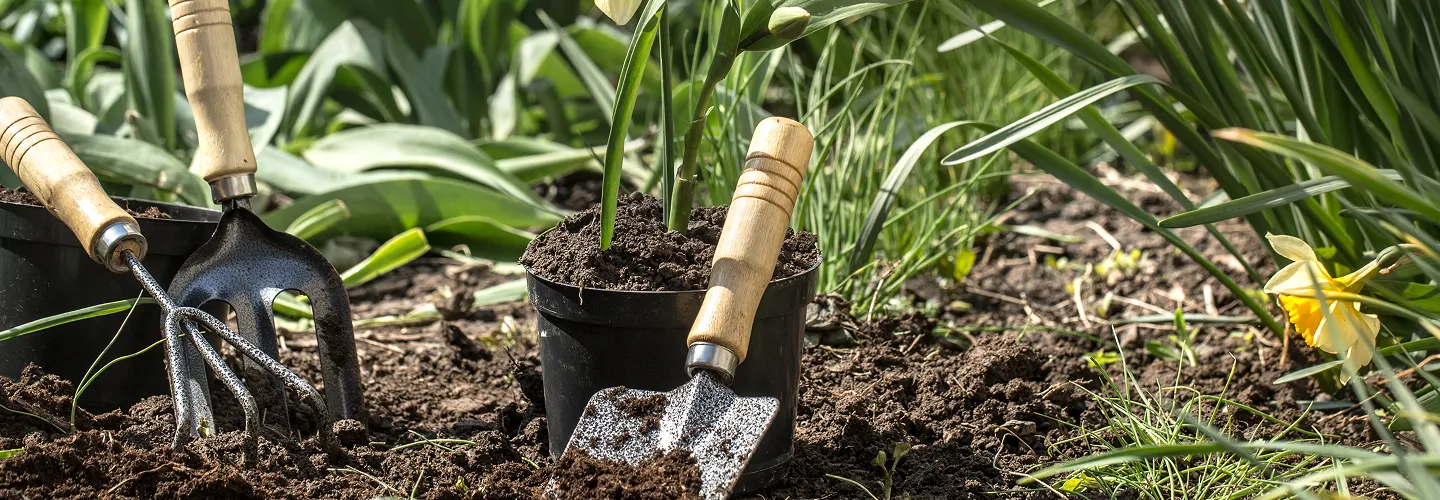
Choose our expert weeding services for a healthier, more beautiful landscape—our experienced team removes unwanted growth quickly and thoroughly, so your plants can thrive and your yard always looks its best.
Get a Free QuoteOur Wrightsville Landscaping & Yard Care Services
When to Schedule Weeding in Wrightsville, Georgia – Seasonal Guide
In Wrightsville, Georgia, the best times to schedule weeding are closely tied to our region’s unique climate and landscape. Early spring and late fall are generally optimal, as these periods align with moderate temperatures and increased soil moisture, making weed removal more effective. Wrightsville’s proximity to the Ohoopee River and neighborhoods like Cedar Grove and Pine Ridge means that soil types can vary from sandy loam to heavier clay, impacting both weed growth and removal strategies.
Local environmental factors such as late spring frost dates, summer drought risk, and high humidity levels—especially in shaded areas near Johnson County Park—play a significant role in determining the right timing for weeding. Homeowners should also consider municipal guidelines and resources, which can be found on the official town website, to ensure compliance with local landscaping regulations.
Local Factors to Consider for Weeding in Wrightsville
- Tree density and shade coverage, especially in neighborhoods like Oak Hill
- Soil type variations (sandy vs. clay) across different parts of town
- Seasonal precipitation patterns and drought risk
- Frost dates and temperature fluctuations
- Terrain slope and drainage, particularly near the Ohoopee River
- Municipal restrictions or recommended service windows
Benefits of Weeding in Wrightsville
Expert Local Knowledge
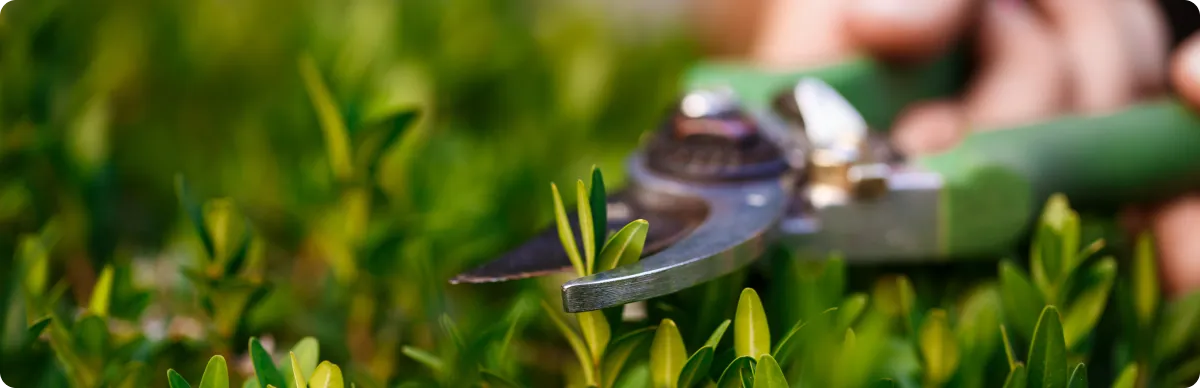
Efficient Weed Removal
Eco-Friendly Practices
Consistent Lawn Health
Time-Saving Services
Professional Landscaping Team
Wrightsville Weeding Types

Hand Weeding
-
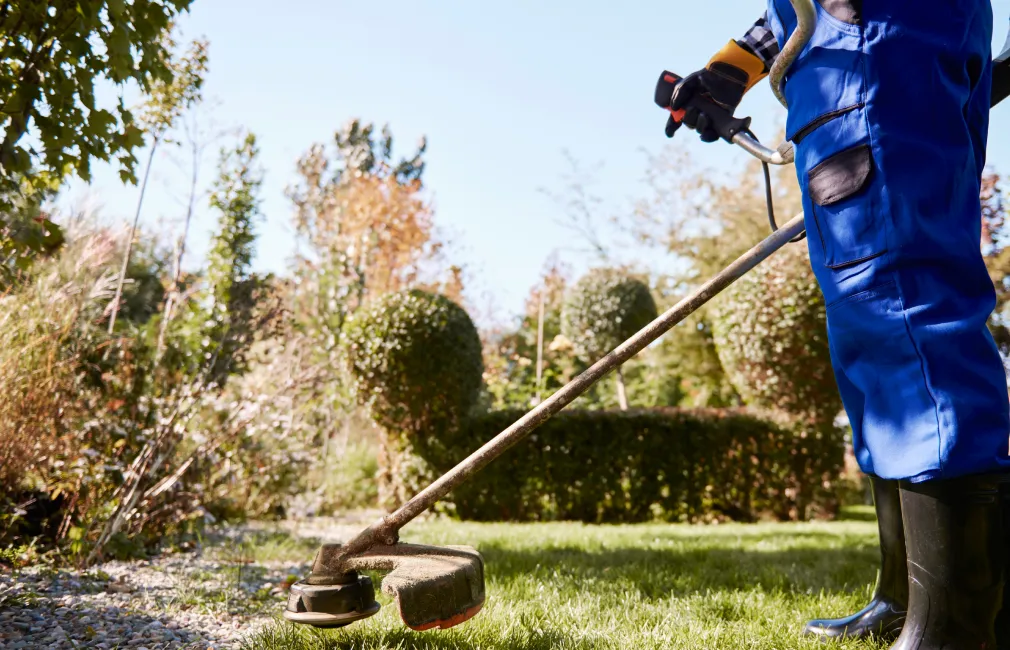
Mechanical Weeding
-
Mulching for Weed Control
-
Pre-Emergent Herbicide Application
-
Post-Emergent Weed Removal
-
Selective Weed Control
-
Organic Weed Management
Our Weeding Process
Site Evaluation
Weed Identification
Targeted Removal
Soil Treatment
Final Inspection
Why Choose Wrightsville Landscape Services
-
Wrightsville Homeowners Trust Us
-
Expert Lawn Maintenance
-
Reliable Scheduling
-
Competitive Pricing
-
Professional Team
-
Satisfaction Guarantee
-
Personalized Service
Wrightsville's Inner Coastal Plain Soils and Their Impact on Weed Pressure
Wrightsville sits within Georgia's Inner Coastal Plain region in USDA Hardiness Zone 8b, where the predominant soil series—including Tifton, Dothan, and Norfolk sandy loams—create conditions that directly influence weed establishment and persistence. These soils are characteristically well-drained, acidic (typically pH 4.5–5.8), and low in organic matter, which favors aggressive warm-season weeds such as crabgrass, chamberbitter, and nutsedge over desirable turf and garden plants. Key soil-related factors affecting weeding in Wrightsville include:
- Rapid drainage allows pre-emergent herbicides to leach below the weed seed zone faster than in clay soils, reducing efficacy windows
- Low organic matter limits natural weed suppression through mulch decomposition
- Acidic pH encourages species like broomsedge and sorrel that thrive in nutrient-poor, low-pH conditions
Property owners can verify their specific soil series through the USDA Web Soil Survey and request soil testing through the UGA Cooperative Extension Johnson County office to determine pH and nutrient levels before developing a weed management plan.
Seasonal Weeding Windows for Wrightsville's Extended Growing Season
Wrightsville's long warm season—with last spring frosts typically occurring in mid-March and first fall frosts arriving in mid-November—creates an approximately eight-month active weed growth period that demands strategic timing. The National Weather Service office serving the Wrightsville area provides seasonal outlooks that help property owners anticipate weed pressure cycles. Effective weeding schedules in Wrightsville should follow these seasonal guidelines:
- Late February–March: Apply pre-emergent treatments when soil temperatures reach 55°F at a 4-inch depth to intercept summer annual weeds like crabgrass and goosegrass
- April–June: Peak hand-weeding and cultivation period for warm-season annuals before they set seed
- July–August: Monitor for late-emerging nutsedge and spurge during Wrightsville's hottest months, when average highs exceed 90°F
- October–November: Address cool-season winter annuals such as henbit, chickweed, and annual bluegrass before they establish
- December–January: Conduct bed preparation and mulch renewal to suppress early spring germination
Timing weed removal before seed production is critical, as a single pigweed plant can produce over 100,000 seeds in Wrightsville's favorable growing conditions.
How Wrightsville's Drainage Ditches and Waterways Affect Herbicide Use in Weeding
Wrightsville and Johnson County contain numerous drainage ditches, agricultural waterways, and tributaries of the Ohoopee River that require careful consideration during any weeding operation involving chemical herbicides. The Georgia Environmental Protection Division enforces water quality standards under the Georgia EPD Watershed Protection Branch that apply to herbicide runoff entering surface waters. Property owners and service providers must observe the following precautions:
- Maintain a minimum untreated buffer of 25–50 feet from drainage ditches, creeks, and pond edges when applying broadleaf or non-selective herbicides
- Avoid herbicide application within 24 hours of forecasted rainfall exceeding 0.5 inches
- Use targeted spot-treatment methods rather than broadcast spraying near any waterway or stormwater conveyance
- Select herbicides labeled for use near aquatic environments when working on properties adjacent to the Ohoopee River corridor or its feeder streams
Johnson County Public Works maintains roadside drainage infrastructure throughout the Wrightsville area. Weed debris and chemical runoff entering these systems can affect downstream water quality. Verify current drainage easement locations before conducting weeding operations on properties near public rights-of-way.
Johnson County Public Works
P.O. Box 326, Wrightsville, GA 31096
Phone: (478) 864-3484
Official Website: Johnson County Public Works
Georgia Pesticide Licensing Requirements for Professional Weed Control Applications
Any individual or company applying restricted-use herbicides for weed control on a for-hire basis in Wrightsville must hold valid credentials under the Georgia Pesticide Use and Application Act of 1976. The Georgia Department of Agriculture administers licensing, certification, and employee registration for commercial pesticide applicators statewide. Key regulatory requirements include:
- Commercial applicators must pass a core exam and the appropriate category exam (Category 3 covers ornamental and turf pest control, including herbicides)
- Registered employees working under a licensed applicator must complete training and carry valid registration cards on-site
- Records retention: All commercial herbicide applications must be documented with product name, EPA registration number, application rate, date, location, and wind conditions, retained for a minimum of two years
- Restricted-use products such as certain pre-emergent granulars require a certified applicator's direct supervision
Property owners hiring weeding services in Wrightsville should request proof of current Georgia pesticide applicator licensing and verify that the contractor carries appropriate liability insurance. The Georgia Department of Agriculture - Agricultural Pest Control page provides a searchable database for confirming active licenses.
Nuisance Vegetation and Code Compliance Coordination in Wrightsville
Wrightsville and Johnson County enforce property maintenance standards that address overgrown vegetation, nuisance weeds, and unkempt lots. Properties with excessive weed growth—particularly along public rights-of-way, sidewalks, and adjacent to neighboring parcels—may be subject to code enforcement action. While specific height thresholds should be confirmed with local officials, typical municipal standards in Georgia communities of Wrightsville's size require vegetation to be maintained below 12–18 inches on developed residential and commercial lots. Property owners should be aware of the following:
- Overgrown lots may receive a notice of violation with a specified compliance period, after which the municipality may arrange for mowing or clearing and assess the cost to the property owner
- Invasive weed species such as kudzu, Chinese privet, and Japanese stiltgrass can spread to adjacent properties and public land; the UGA Extension - Invasive Species program provides identification guides and management recommendations
- Vacant lot owners bear the same maintenance responsibility as occupied properties
- Weed encroachment into public drainage ditches or road shoulders may trigger coordination with Johnson County Public Works
For questions regarding property maintenance standards or to report nuisance vegetation concerns, contact the Johnson County Board of Commissioners, which oversees code compliance matters in the unincorporated areas surrounding Wrightsville.
Johnson County Board of Commissioners
P.O. Box 326, Wrightsville, GA 31096
Phone: (478) 864-3484
Official Website: Johnson County Board of Commissioners
What Neighborhoods Do We Serve Throughout Wrightsville, GA?
- Downtown Wrightsville Historic Core: Older residential lots along and near Elm Street and Court Square feature mature shade trees, established ornamental beds, and compacted soils that promote persistent weed growth in walkways, bed edges, and foundation plantings. Hand-weeding and targeted spot treatments are typically required to protect historic landscaping.
- North Wrightsville / GA-15 Corridor: Properties along the Highway 15 corridor tend toward larger lots with open sun exposure, encouraging aggressive warm-season weeds such as crabgrass, bahiagrass volunteers, and sandspur in turf and garden areas.
- South Wrightsville Residential Areas: Neighborhoods south of downtown near the Ohoopee River lowlands experience higher soil moisture and periodic wet conditions that favor nutsedge, dollarweed, and other moisture-loving weed species requiring specialized management.
- East Wrightsville / School District Area: Residential properties near Johnson County schools feature mixed sun and shade conditions with moderate lot sizes, where weed pressure varies between shaded beds under pecan and oak canopy and open lawn sections.
- West Wrightsville / Agricultural Fringe: Properties at the western edge of city limits border active agricultural land, increasing exposure to windborne weed seeds including pigweed, ragweed, and morning glory that require vigilant perimeter weeding and pre-emergent barriers.