
Wrightsville Mulching Services
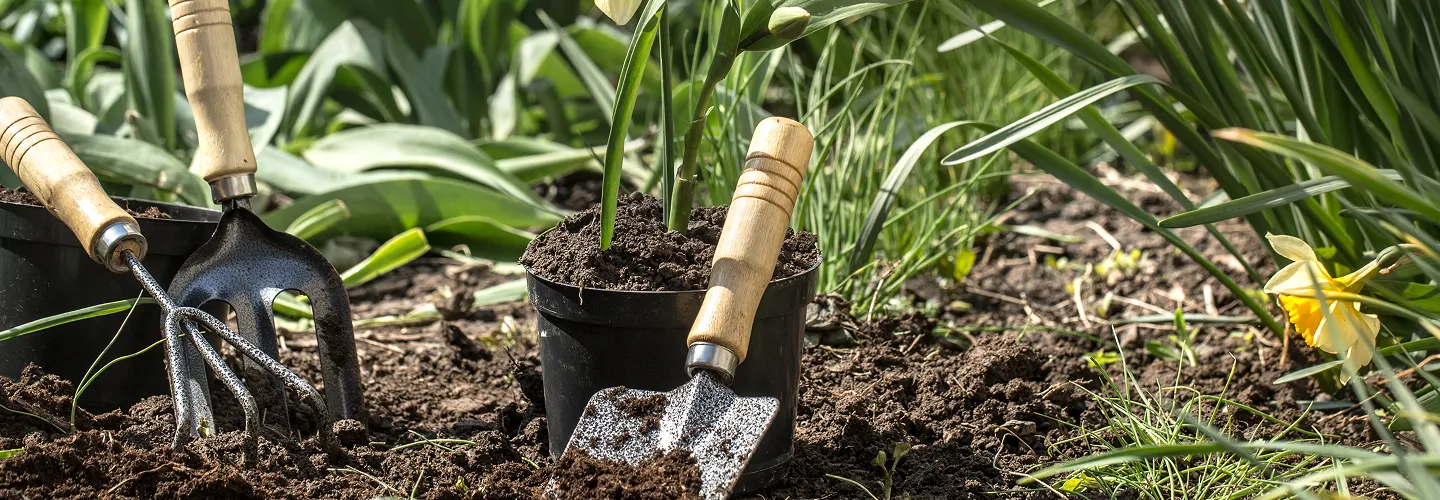
Choose our mulching services for expert care that enriches your soil, conserves moisture, and gives your garden a polished, professional look—making your outdoor space healthier and more beautiful all season long.
Get a Free QuoteOur Wrightsville Landscaping & Yard Care Services
When to Schedule Mulching in Wrightsville, Georgia – Seasonal Guide
In Wrightsville, Georgia, the best times to schedule mulching are typically in early spring and late fall. These periods align with the region’s unique climate, which features mild winters, humid summers, and a growing season that can be influenced by both late frosts and periods of drought. For neighborhoods near Johnson County Courthouse or along West College Street, timing your mulching just after the last frost date in March or before the first frost in November helps protect plant roots and maintain soil moisture as temperatures shift.
Local environmental factors play a significant role in determining the optimal mulching schedule. Wrightsville’s sandy-loam soils, common in areas like the neighborhoods surrounding Cedar Creek, benefit from mulch that helps retain moisture during dry spells and insulates against sudden temperature changes. Shade coverage from mature oaks and pines, especially in the shaded lots near the Wrightsville Recreation Center, can also affect how quickly mulch decomposes and how often it needs to be replenished. For more information on local climate patterns and gardening resources, visit the Sudbury municipal site.
Local Factors to Consider for Mulching in Wrightsville
- Tree density and shade coverage, especially in established neighborhoods
- Soil type (sandy-loam vs. clay)
- Seasonal precipitation and drought risk
- Frost dates and temperature swings
- Terrain slope and drainage patterns
- Municipal restrictions or guidelines on mulch types and application
Benefits of Mulching in Wrightsville
Enhanced Soil Moisture Retention
Weed Growth Suppression
Improved Curb Appeal
Temperature Regulation for Plant Roots
Reduced Soil Erosion
Nutrient-Rich Soil Enrichment
Wrightsville Mulching Types

Organic Mulch
-
Inorganic Mulch
-
Wood Chip Mulch
-
Pine Bark Mulch
-
Rubber Mulch
-
Compost Mulch
-
Stone Mulch
Our Mulching Process
Site Evaluation
Soil Preparation
Mulch Selection
Mulch Application
Final Inspection
Why Choose Wrightsville Landscape Services
-
Wrightsville Homeowners Trust Us
-
Expert Lawn Maintenance
-
Reliable Scheduling
-
Competitive Pricing
-
Professional Team
-
Satisfaction Guarantee
-
Personalized Service
Wrightsville's Sandy Loam Soils and Their Impact on Mulch Retention
Wrightsville sits within Georgia's Inner Coastal Plain, where the predominant soil series—including Tifton, Dothan, and Fuquay sandy loams—present distinct challenges for mulch application and retention. These soils, mapped through the USDA Web Soil Survey, are characteristically well-drained to excessively drained, with acidic pH levels typically ranging from 4.5 to 5.8. While good drainage reduces waterlogging risk, it also means organic mulch breaks down more rapidly and lightweight materials can shift during heavy summer rainfall. Property owners in Wrightsville, located in USDA Hardiness Zone 8b, should consider the following when selecting and applying mulch:
- Pine bark nuggets or shredded hardwood resist displacement better than pine straw on sloped beds in sandy soils.
- Apply mulch 2–3 inches deep—not exceeding 4 inches—to retain moisture without suffocating root systems.
- Avoid piling mulch against tree trunks or building foundations, which promotes rot and pest harborage.
- Replenish mulch annually or biannually, as Wrightsville's warm, humid climate accelerates decomposition rates compared to cooler Georgia regions.
The UGA Cooperative Extension publishes region-specific guidance on organic mulch selection suited to sandy Coastal Plain soils, including recommendations for Johnson County landowners managing both residential beds and larger rural properties.
Optimal Mulching Windows for Wrightsville's Extended Growing Season
Wrightsville's long warm season—with average last frost dates near mid-March and first frost dates in mid-November—creates a roughly eight-month window during which mulch serves critical moisture-retention and weed-suppression functions. Timing mulch application correctly maximizes these benefits and reduces unnecessary material waste. The National Weather Service office serving the Wrightsville area provides seasonal outlooks that help property owners plan around rainfall and temperature patterns.
Recommended mulching timing for Wrightsville properties includes:
- Late March through mid-April: Apply fresh mulch after spring planting and before summer heat intensifies soil moisture loss.
- Late October through November: Refresh or top-dress mulch before winter to insulate root zones and suppress cool-season weed germination.
- Avoid mid-summer initial applications when soil temperatures exceed 90°F at the surface, as fresh mulch can trap excessive heat against plant roots.
- After storm events: Inspect and redistribute displaced mulch, particularly in beds adjacent to drainage swales or roadside ditches.
Wrightsville's average annual rainfall of approximately 46 inches, concentrated heavily in summer thunderstorms, means mulch must be applied at proper depth to resist washout while still allowing water infiltration into the sandy substrate below.
Protecting Wrightsville's Drainage Ditches and Stormwater Infrastructure During Mulch Installation
Mulch installation on properties near Wrightsville's roadside drainage ditches, stormwater conveyances, and low-lying areas requires careful attention to prevent material migration into public infrastructure. Johnson County Public Works maintains the county's road drainage systems, bridges, and related infrastructure, and displaced mulch can obstruct culverts and ditch flow during heavy rain events. Property owners and contractors should follow these precautions:
- Install temporary edging or barriers along bed borders adjacent to ditches, swales, or street gutters before spreading mulch.
- Do not apply mulch within drainage easements or directly over stormwater inlet grates.
- Use heavier mulch materials such as shredded hardwood or double-ground bark near drainage features, as these resist flotation better than pine straw or lightweight chips.
- Remove any mulch that migrates onto public rights-of-way or into ditch lines promptly after storms.
The Georgia Environmental Protection Division oversees stormwater quality standards statewide through its Watershed Protection Branch, and organic debris entering waterways can contribute to nutrient loading and reduced water quality. Wrightsville property owners near the Ohoopee River corridor or its tributary creeks should be especially attentive to mulch containment, as these waterways are subject to Georgia Water Quality Standards.
Johnson County Public Works
P.O. Box 326, Wrightsville, GA 31096
Official Website: Johnson County Public Works
Coordinating Bulk Mulch Delivery and Yard Waste Disposal in Wrightsville
Large-scale mulching projects in Wrightsville—whether for residential landscape beds, commercial frontage, or rental property maintenance—often generate packaging waste, old mulch removal debris, and excess material that must be managed in accordance with local disposal expectations. Johnson County does not operate a curbside yard waste collection program comparable to larger Georgia municipalities, so property owners should plan disposal logistics before beginning work. Key considerations include:
- Verify current yard waste and green debris disposal options by contacting the Johnson County Board of Commissioners, which oversees solid waste coordination for unincorporated and municipal areas.
- Old mulch removed during bed renovation may be composted on-site if space permits, reducing the need for off-site hauling.
- Bulk mulch deliveries should be staged on the property—not on public rights-of-way or roadside shoulders—to avoid obstruction of drainage ditches or pedestrian access.
- Plastic mulch bags and synthetic landscape fabric must be disposed of as solid waste, not mixed with organic yard debris.
Residents seeking guidance on local disposal sites or seasonal clean-up events should contact county administration directly.
Johnson County Board of Commissioners
P.O. Box 326, Wrightsville, GA 31096
Official Website: Johnson County Board of Commissioners
How Wrightsville's Mature Tree Canopy Affects Mulch Selection and Bed Management
Many established properties in Wrightsville feature mature hardwoods—including oaks, pecans, and sweetgums—that create heavy shade canopy over landscape beds. This canopy influences mulch performance in several important ways. Shaded beds retain moisture longer, which can promote fungal growth if mulch is applied too thickly. Conversely, areas beneath deciduous trees receive heavy leaf drop each fall, which can smother existing mulch layers and create matted barriers that impede water penetration. The Georgia Forestry Commission provides resources on tree health and canopy management that complement proper mulching practices.
Property owners managing mulched beds under mature trees in Wrightsville should observe the following:
- Limit mulch depth to 2 inches in heavily shaded areas to reduce moisture trapping and fungal conditions such as artillery fungus or slime mold.
- Remove accumulated leaf litter from mulched beds in late fall and early winter before applying fresh mulch in spring.
- Select fine-textured mulch such as shredded pine bark for shaded beds, as it integrates with leaf litter more effectively than large nuggets.
- Maintain a 3–6 inch gap between mulch and tree trunk bases to prevent moisture-related bark decay and discourage termite access.
For properties with significant pecan or sweetgum canopy, seasonal nut and seed ball debris should be cleared from beds before mulch replenishment to ensure even coverage and proper soil contact.
What Neighborhoods Do We Serve Throughout Wrightsville, GA?
- Downtown Wrightsville: The historic core along Court Street and surrounding blocks features older residential lots with mature shade trees, established foundation plantings, and compact yard spaces where precise mulch application and edging are essential to maintain curb appeal and protect aging root systems.
- North Wrightsville / GA-15 Corridor: Properties along and near the GA-15 highway corridor tend toward larger lots with mixed sun and shade exposure, where mulch serves both aesthetic and erosion-control functions along sloped frontage areas adjacent to roadside drainage ditches.
- South Elm Street Area: This residential section includes mid-century homes with well-established landscape beds, pecan trees, and sandy loam soils that benefit from annual mulch replenishment to retain soil moisture through Wrightsville's hot summers.
- East Wrightsville / Johnson County Recreation Area: Properties near Johnson County Parks and Recreation facilities and the eastern residential edges feature open lots with full sun exposure, where mulch helps suppress aggressive warm-season weed growth in flower and shrub beds.
- West Wrightsville / Ohoopee River Vicinity: Lots closer to the Ohoopee River and its tributary lowlands may experience periodic wet conditions; mulch selection here should prioritize heavier materials that resist displacement during high-water events and protect beds from sediment intrusion.