
Wrightsville Hedging Services
Choose our professional hedging services for expertly shaped, healthy, and low-maintenance hedges that enhance your property's curb appeal, provide privacy, and add long-term value to your landscape.
Get a Free QuoteOur Wrightsville Landscaping & Yard Care Services
When to Schedule Hedging in Wrightsville, Georgia – Seasonal Guide
In Wrightsville, Georgia, the best times to schedule hedging are typically late winter through early spring and again in late summer. These periods align with the region’s mild temperatures and reduced risk of frost, which usually ends in early March. Hedging during these windows helps promote healthy regrowth and minimizes plant stress, especially for properties near Johnson County Courthouse or along West College Street, where mature landscapes are common. Local factors such as high summer humidity, occasional drought conditions, and the sandy-loam soils found in neighborhoods like Pine Ridge can all influence the timing and frequency of hedging services. It’s also important to consider shade coverage from large oaks and pecans, as well as municipal guidelines, which you can review on the official city website.
Local Factors to Consider for Hedging in Wrightsville
- Tree density and proximity to structures
- Terrain slope and soil drainage
- Seasonal precipitation and drought risk
- Frost dates and temperature fluctuations
- Shade coverage from mature trees
- Municipal restrictions or neighborhood association guidelines
Benefits of Hedging in Wrightsville
Enhanced Curb Appeal
Improved Property Value
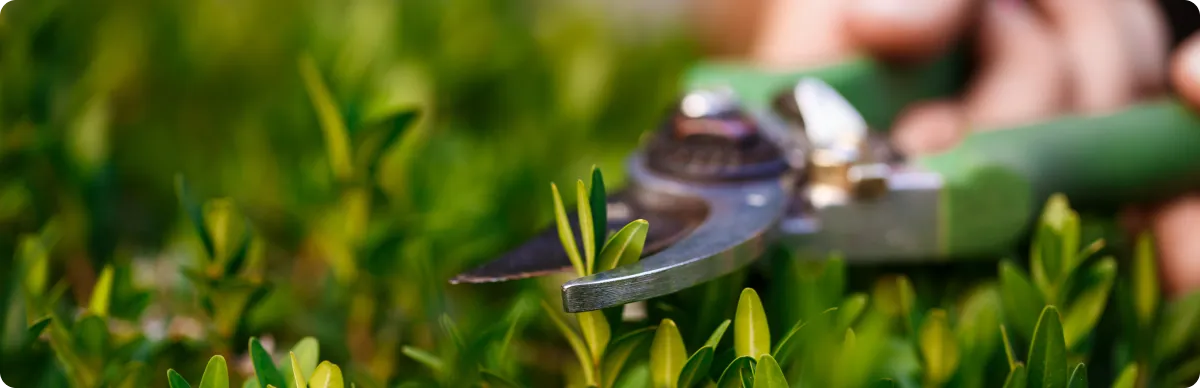
Professional Hedge Shaping
Seasonal Maintenance Expertise
Pest and Disease Prevention
Customized Landscaping Solutions
Wrightsville Hedging Types

Boxwood Hedges
-
Privet Hedges
-
Holly Hedges
-
Laurel Hedges
-
Arborvitae Hedges
-
Yew Hedges
-
Photinia Hedges
Our Hedging Process
Consultation and Planning
Site Preparation
Precision Trimming
Cleanup and Inspection
Why Choose Wrightsville Landscape Services
-
Wrightsville Homeowners Trust Us
-
Expert Lawn Maintenance
-
Reliable Scheduling
-
Competitive Pricing
-
Professional Team
-
Satisfaction Guarantee
-
Personalized Service
Hedging and Drainage Considerations in Wrightsville’s Middle Georgia Soils
Wrightsville’s landscape is shaped by Middle Georgia’s blend of sandy loam and clay soils, which directly influence hedging practices. The USDA Web Soil Survey identifies common local series such as Tifton and Greenville, both of which present moderate drainage and occasional compaction. When establishing or maintaining hedges, it is essential to assess soil infiltration and avoid planting in persistently wet or poorly drained areas, especially near drainage ditches or low-lying lots. Residents should:
- Test soil pH (typically acidic, 5.5–6.5) before planting
- Avoid overwatering, as clay pockets can retain moisture
- Use mulch to moderate soil temperature and reduce runoff
- Maintain a minimum setback from drainage features to prevent root encroachment
For guidance on soil management and drainage, consult UGA Cooperative Extension and the USDA Web Soil Survey.
Municipal Coordination for Hedge Trimming and Debris Disposal in Wrightsville
Hedge maintenance in Wrightsville must comply with local debris disposal and right-of-way regulations. The Johnson County Public Works Department oversees green waste collection, including hedge trimmings. Residents are advised to:
- Bundle branches under 4 feet in length for curbside pickup
- Place debris away from storm drains and roadways
- Avoid mixing hedge clippings with household waste
- Confirm collection schedules, which may vary by neighborhood
Improper disposal can obstruct drainage and violate local ordinances. For up-to-date collection procedures and compliance details, contact the department below.
Johnson County Public Works
230 Donovan Harrison Rd, Wrightsville, GA 31096
Phone: (478) 864-4000
Official Website: Johnson County Public Works(https://www.johnsonco.org/publicworks)
Environmental Compliance: Protecting Wrightsville’s Streams and Wetlands During Hedging
Hedging activities near Wrightsville’s creeks, ponds, and wetlands require careful planning to prevent sediment runoff and protect water quality. The Georgia Environmental Protection Division enforces buffer requirements and stormwater standards. Key practices include:
- Maintaining a vegetative buffer (minimum 25 feet where applicable) along streams
- Avoiding fertilizer or pesticide application within buffer zones
- Using erosion control measures on slopes or disturbed soil
- Collecting and disposing of clippings to prevent clogging of storm drains
These steps help safeguard local water bodies and comply with state and federal Clean Water Act requirements. For site-specific buffer rules, verify with the agencies below.
Georgia Environmental Protection Division
2 Martin Luther King Jr. Dr. SE, Suite 1456, Atlanta, GA 30334
Official Website: Georgia Environmental Protection Division(https://epd.georgia.gov/)
Seasonal Timing and Best Practices for Hedge Maintenance in Wrightsville’s Climate
Wrightsville’s USDA Hardiness Zone 8a climate supports a long growing season, but optimal hedge trimming is best scheduled for late winter (February–March) before new growth emerges. This timing minimizes stress and reduces disease risk. Additional recommendations include:
- Prune flowering hedges after bloom to preserve buds
- Avoid heavy trimming during summer droughts or extreme heat
- Monitor for pest activity, especially in humid months
- Use sanitized, sharp tools to prevent disease spread
Consult UGA Cooperative Extension for species-specific timing and pest management guidance. Adhering to these practices supports healthy, resilient hedges throughout the year.
What Neighborhoods Do We Serve Throughout Wrightsville, GA?
- Downtown Wrightsville: Features mature hedges along historic properties and narrow streets, requiring careful debris containment and right-of-way visibility.
- Northside Residential: Larger lots with mixed clay and sandy soils; drainage ditches are common, so buffer maintenance is critical.
- Creekside Estates: Proximity to small streams and wetlands necessitates strict adherence to buffer and runoff controls during hedging.
- Westwood Subdivision: Newer development with compacted fill soils; hedging often addresses privacy and sightline needs along property lines.
- Pine Ridge Area: Wooded lots with shade-tolerant hedges and leaf accumulation, requiring seasonal debris management.
- South Wrightsville: Open landscapes with sandy soils and higher exposure to wind, influencing hedge species selection and maintenance frequency.